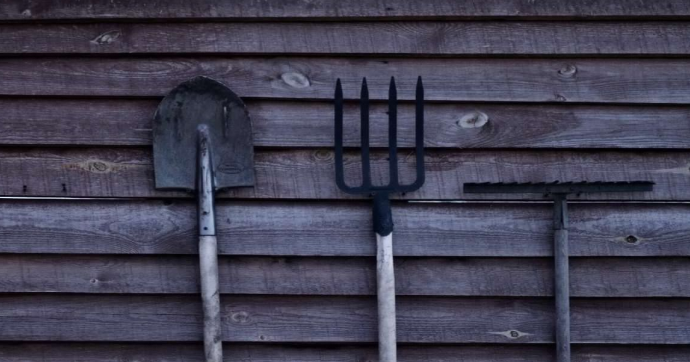
Investing in quality farming tools is essential for maximizing productivity and efficiency on your farm. The right tools can not only simplify daily tasks but also enhance the overall quality of your produce. This guide will help you navigate the process of selecting and purchasing farming tools for sale, ensuring that your investment pays off in the long run.
Understanding Your Farming Needs
Before diving into the purchasing process, it’s crucial to assess your specific farming needs. The type of crops you grow, the size of your land, and the techniques you employ will dictate the tools that are most beneficial. For instance, if you run a small vegetable farm, you may require different tools compared to a large-scale grain operation.
Assessing Crop Type
Different crops have unique requirements when it comes to cultivation and maintenance. Research the essential tools used in your crop type. For example, if you are cultivating root vegetables, investing in quality tillers and hoes may be essential. Conversely, if you are focused on fruit production, you might prioritize tools for pruning and harvesting.
Evaluating Land Size and Topography
The size and topography of your land will also impact your choice of tools. Larger farms may require more robust equipment, such as tractors and plows, while smaller operations can often rely on hand tools or smaller machinery. Additionally, consider the landscape; hilly or uneven terrain may necessitate specialized equipment that can handle such conditions effectively.
Researching Farming Tools for Sale
Once you have a clear understanding of your needs, it’s time to research Farming tools for sale. This stage involves gathering information about different brands, models, and price ranges.
Exploring Brands and Models
There are many brands on the market, each offering a range of tools with varying features. Research reputable manufacturers known for their quality and durability. Reading reviews and seeking recommendations from other farmers can help you identify the best options for your specific requirements.
Comparing Prices
Prices can vary significantly between different brands and retailers. Set a budget for your tool purchases and compare prices across various platforms, including local stores and online marketplaces. While it might be tempting to opt for the cheapest option, remember that investing in high-quality tools can save you money in the long run through increased durability and efficiency.
Evaluating Quality and Durability
When selecting farming tools, prioritize quality and durability. Investing in well-constructed tools can enhance your efficiency and reduce the need for frequent replacements.
Materials and Construction
Pay attention to the materials used in the construction of the tools. Stainless steel, for instance, is often preferred for hand tools due to its resistance to rust and corrosion. For larger equipment, look for features that enhance durability, such as reinforced frames and high-quality components.
Warranty and Support
A good warranty can be an indicator of a manufacturer’s confidence in their product. When purchasing farming tools, inquire about warranty options and the availability of customer support. A solid warranty can provide peace of mind and protect your investment in case of defects or issues.
Considering Ergonomics and Ease of Use
The design of farming tools can significantly impact their usability. Tools that are comfortable to handle and easy to operate will increase productivity and reduce the risk of injury.
Handle Design and Weight
Ergonomically designed handles can make a considerable difference, especially for tools that require extended use. Look for tools with cushioned grips and an appropriate weight balance. Lightweight tools are often easier to handle, but ensure that they are still sturdy and capable of withstanding the demands of your farm work.
Training and Familiarization
Before purchasing complex equipment, consider the learning curve associated with its use. Some tools may require specialized training to operate safely and effectively. Ensure that you or your staff are adequately trained to handle new machinery, as this will maximize efficiency and minimize accidents.
Making the Purchase
With your research and evaluation complete, it’s time to make your purchase.
Shopping Locally vs. Online
Consider the benefits of shopping locally versus online. Local agricultural supply stores often provide personalized service and support, while online retailers may offer a wider selection and potentially better prices. Whichever route you choose, ensure that the seller is reputable and offers good customer service.
Timing Your Purchase
Timing can also play a crucial role in securing the best deals on farming tools for sale. Many retailers offer sales during the off-season or at the end of the planting season. Take advantage of these opportunities to acquire the tools you need at a lower cost.
Conclusion
Investing in quality farming tools is a strategic decision that can significantly enhance your farming operations. By understanding your specific needs, researching tools for sale, prioritizing quality and ergonomics, and making informed purchases, you can ensure that your investment leads to improved productivity and profitability on your farm. With the right tools in hand, you’ll be well-equipped to meet the demands of modern farming and achieve long-term success.